

How to use an ICP
- If you're just marketing to everyone, no one is going to identify with you and what you're best at.
- Use AI to build an ideal customer profile: who you sell to, their pain points, what they want, what they spend, why they chose you, and who is not a good customer.
- Lead with the outcome, not the offer, and speak to those pain points in your ads, social posts, landing page, and emails.
- Once you know the ICP, you can build audiences and retargeting around that same person, and you can Google the questions they already ask.
Start with who you should actually target
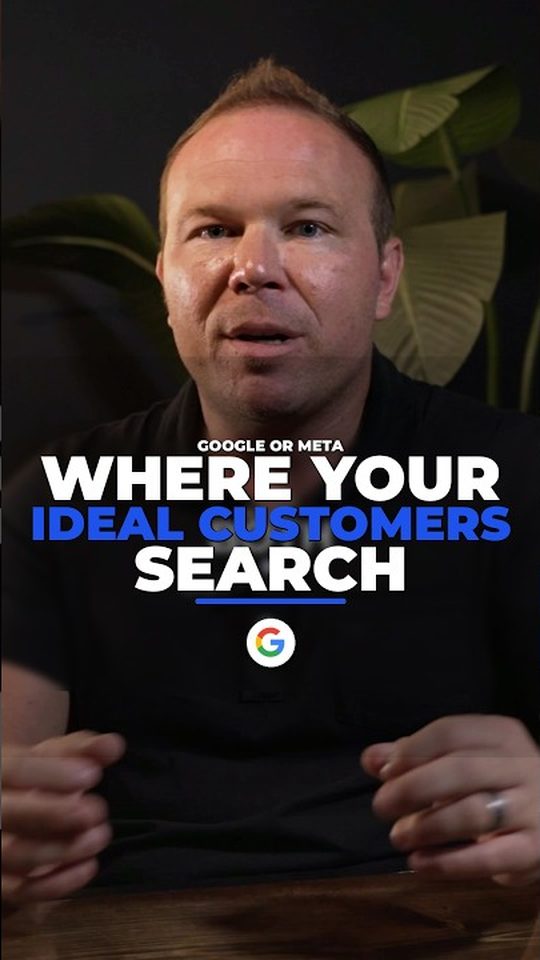
One of the biggest mistakes I made was just doing our marketing and ads to the totally wrong person. In this video, Brad Smith, entrepreneur and owner of AutomationLinks, shows exactly who to target and how to target your ideal customer. They call it an ICP.
He uses a tool on his site that helps identify what that ideal customer does on a website: if they're ready to purchase, the pages they came from, the pages they visited, the sources they came from, like Google or YouTube, and even details that help you understand them. Put your business name in, explain what you sell, and keep answering to the best of your ability so AI can create that customer profile for you. Talk about how big the company is you're targeting, who the decision makers are, and if you're an e-commerce brand, fill that out too.
Why the ideal customer profile matters
Why do we need to find the ideal customer profile? So we can target our landing pages to them, our advertising, our social media, our emails. Everything should target that. If you're just marketing to everyone, no one is going to identify with you and what you're best at.
In Brad's bio, they work with companies that are at $1 million a year and help them get to $10 million by building systems. Their ideal customer is a business that has a website that doesn't get many leads from it, that has a CRM but never used a CRM, and wants to do ads but doesn't know how. That's how they target advertising, social posts, and even these videos.
Keep building the profile. Tell the system what you sell, the biggest pain points, what your customer ultimately wants, how much they usually spend, why customers chose you over the competition, and who is not a good customer for you. For his team, a common pain point is a company that needs a marketing team but doesn't want to hire in-house, so they come in as a fractional CMO. The more you add, the better the outcome.
Lead with the outcome, then match every page to the pain point
Once you have your ICP, it fuels everything else. Lead with the outcome, not the offer. Focus on your messaging. Speak exactly to their pain points, in your ads and in your marketing channels.
Brad walks through a jewelry example. The ideal customer was a man searching for an engagement ring. So the reels, social posts, and ads leaned on reviews and trust, so the shopper could feel it was high quality and a good experience. The landing page then solved those same pain points: helping them save thousands on the ring without giving up quality. The emails were written around that same pain point, to get them to come back and book a call.
Build the audience, then see what they're already searching
From there, you can build audience profiles so you can target people with ads and emails and they never forget. If your audience is millions and millions of people, they're never going to see you twice. Find that perfect person. For Brad's company, it's a founder or CEO of a business between $1 million and $3 million a year, going to $10 million.
Last, start Googling yourself. Google your business, and searches like the type of business you have. Do you show up at the top? Who's your competition? What are some other things people ask? Go to Google, ChatGPT, and Claude and ask what questions your ideal customer is already asking. The goal is to find out who's your ICP, what their pain points are, and what they're searching for, so you are the brand that's there to solve them.
From AutomationLinks
- How to find what your customers are searching for on ChatGPT, Google, and YouTube
- Work with us at AutomationLinks
- The complete guide to creating a high-converting landing page
Common questions
What is an ICP?
An ICP is an ideal customer profile. Brad Smith, entrepreneur, uses it so landing pages, advertising, social posts, and emails all speak to the same person, instead of marketing to everyone.
How do you build an ideal customer profile with AI?
Put your business name in, explain what you sell, and keep answering questions about who you target, the decision makers, pain points, what they want, what they spend, why they chose you, and who is not a good customer. AI can turn that into a profile you can reuse.
What should you do once you have an ICP?
Lead with the outcome, not the offer, and speak to those pain points in your ads, social posts, landing page, and emails. Then build audiences around that same person and look up the questions they're already searching.
Why not market to everyone?
If you're just marketing to everyone, no one is going to identify with you and what you're best at. A tighter profile also helps people see you more than once, which is what you want for follow-up and retargeting.
Keep reading
More in Ads
Follow Brad
- YouTubeEducational Coaching
- YouTubeBuilding a billion dollar AI brand
- X@bradsmith
- Instagram@bradsmithcoach
- LinkedInBrad Smith
- Emailemail@thebradsmith.com
Get the free weekly tips in AI Accelerator, or start with the free training.