
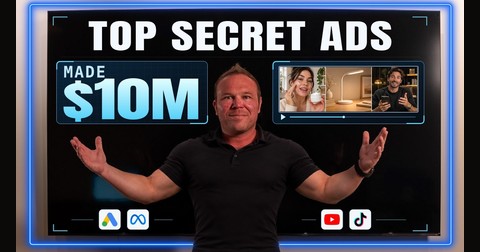
Most businesses do not have a lead problem. They have a follow-up problem. They spend everything they have to get the click, the visit, or the follow, and then the relationship goes cold. I have been doing this online for 11 years and have worked with 3,000+ businesses, and the ones that win long term treat every lead like a relationship, not a transaction.
That is why I started the Relationship Marketing Podcast. I sit down with founders, business owners, and local leaders and ask how they really grew. After 300+ podcast interviews and 1,100+ videos, the answer keeps coming back to the same thing. Relationships matter. You can read the backstory in what 300+ interviews taught me.
What is relationship marketing?
Relationship marketing is building trust with people before, during, and after they buy. Transactional marketing chases the next sale. Relationship marketing plays the long game, so when someone is ready to buy, you are the name they remember, and when they are happy, they tell their friends. It is follow-up, education, and showing up consistently, online and in person.
How I do relationship marketing: videos, emails, and ads
- Videos. One long form video a week that teaches and answers the questions your customers ask. Video is the fastest way I know to build trust online. Start with my proven YouTube video marketing strategy, or how to use videos in relationship marketing.
- Emails. Stay at the top of their inbox with plain, helpful emails so all they have to do is reply when they are ready. Here is how I write plain text relationship marketing emails, and my free AI Accelerator newsletter with 30k+ subscribers is the same idea in action.
- Ads that remind, not sell. Small retargeting ads that educate and say remember me. Read what retargeting ads are and how to make sure your leads do not forget about you.
The full walkthrough is in my video What Is Relationship Marketing? How to Turn Warm Leads Into Sales.
Why relationship marketing works: retention, loyalty, and referrals
Getting a new customer is the hard part. Keeping them is where a business really grows. When people trust you, they come back, they buy again, and they tell their friends. Loyalty, repeat business, and referrals all come from the same place, which is that you kept showing up after the sale. It is also why a good referral feels so easy. Someone else already did the trust building for you. Just make sure your partners know exactly who you help, which is the big lesson from my conversation with Jason Pearl.
Relationship marketing, your CRM, and customer lifetime value
You cannot remember everyone, and you should not try. That is what a CRM is for. Every lead, call, email, and purchase lives in one place, so follow-up happens on time and nobody falls through the cracks. Customer lifetime value is the total a customer spends with you over the whole relationship, not just the first sale, and relationship marketing is how you raise it: better follow-up, more repeat purchases, and more referrals from the same people. If you are picking a tool, here is my CRM software guide for GoHighLevel, and HighLevel is in my directory.
Types and levels of relationship marketing
B2B and B2C relationship marketing look different. In B2B you usually have fewer, bigger relationships, more than one decision maker, and a longer sales cycle, so personal touches like calls, podcasts, and meeting in person matter most. In B2C you are building relationships with a bigger audience, so email, video, community, and loyalty perks do more of the work. Either way, most businesses sit somewhere on these levels:
- Basic. You make the sale and move on.
- Reactive. You invite customers to reach out if they have questions or problems.
- Accountable. You follow up after the sale to make sure it worked and ask how to do better.
- Proactive. You reach out with ideas, tips, and offers before they ask.
- Partnership. You work with the customer on their long term success, and they grow with you.
The goal is to move your best customers up that ladder over time.
Loyalty programs and customer feedback
A loyalty program can be as simple as rewarding repeat purchases, thanking people who refer a friend, or giving your best customers early access and member perks. But the best loyalty program is still great service and remembering people. Feedback is the other half. Ask for it after the sale, ask for reviews, and reply to every comment and email you can. Then act on what you hear and tell people you did. When someone sees their idea show up in your business, you have a customer for life.
Relationship marketing examples
- Reaching out as a fan. Scott Carr messaged creators he genuinely liked, told them no harm done if they did not like his product, and the first one who loved it gave him his first $1,000 day.
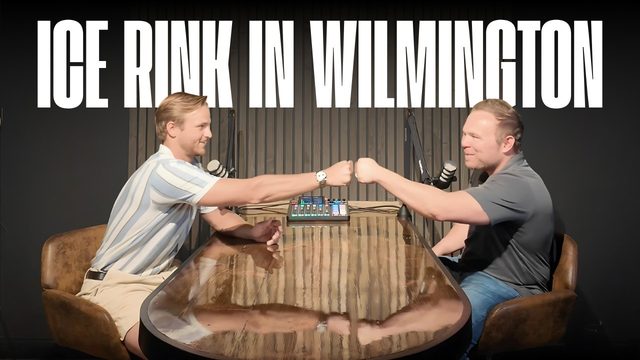
- Giving first in your town. Mike Vollmin is walking around Wilmington with flyers, asking local businesses to support a community arena raffle, and building the project one handshake at a time.
- A weekly email people can reply to. My AI Accelerator newsletter is one short, useful email a week, and every reply is a chance to start a real conversation.
Relationship Marketing Podcast episodes
The latest 10 episodes, newest to oldest. Each post has a written breakdown, quotes, and the full transcript.
-
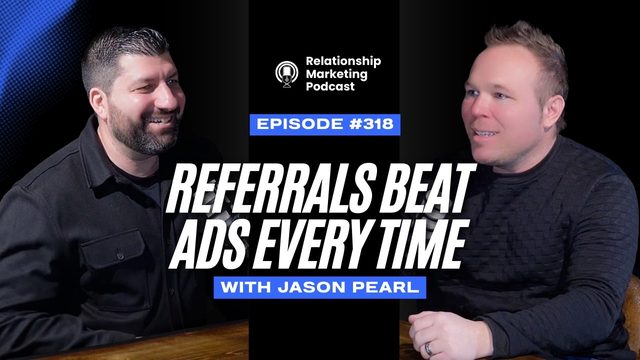
Referrals and Your Ideal Customer with Jason Pearl
Jason Pearl of Nacre Consulting on why most businesses have a fragmented ideal customer profile, why some referral channels convert worst, and how a custom sales playbook forces a yes or a no.
-
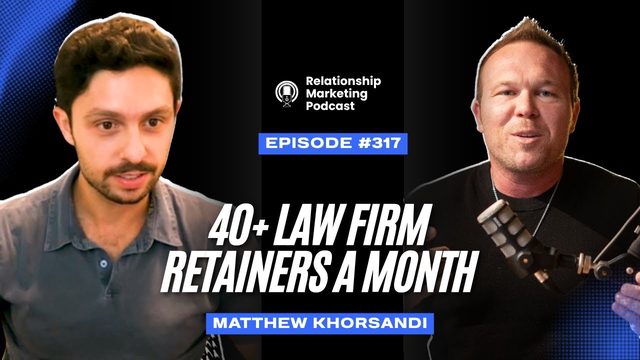
AI SEO for Law Firms with Matthew Khorsandi
Matthew Khorsandi of GLP Marketing on why he ignores ranking reports, how helpful content beats sales pages, and the lemon law case that peaked at 40 retainers a month from Google organic search.
-
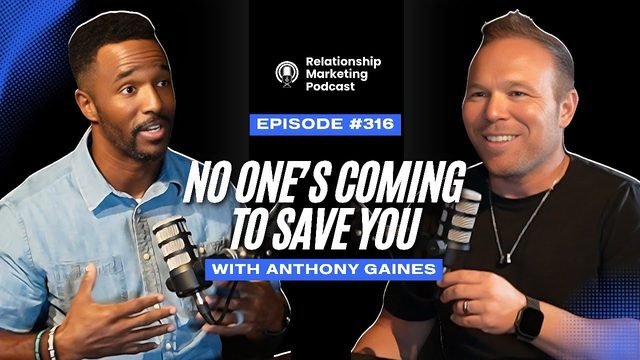
How Anthony Gaines Became a Leader
Coach Anthony Gaines on the junior year that nearly broke him, the words from his son that made him stop drinking, and three tips on discipline, accountability, and leadership.
-
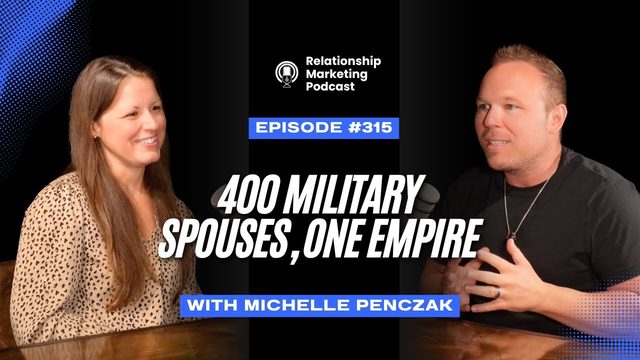
How to Delegate with Michelle Penczak
Michelle Penczak of Squared Away on building a team of about 400 military spouse virtual assistants, the three tasks you should hand off first, and how to onboard an assistant the right way.
-
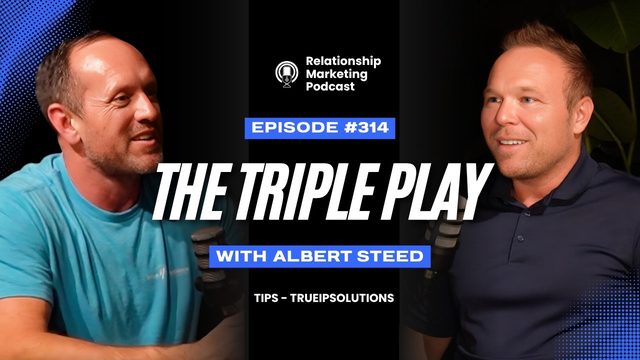
Hosted VoIP Explained with Albert Steed
Albert Steed of True IP Solutions on hosted VoIP in plain English, the customer that saved a million and a half dollars a year, the dentist hit by lightning, and why old copper phone lines are going away.
-
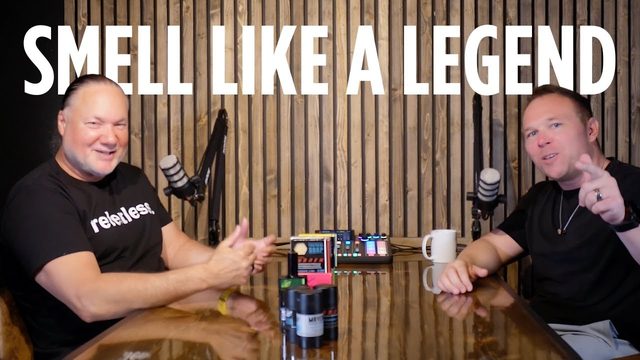
Pheromone Soap and Real Fans with Scott Carr
Scott Carr of Tactical Soap on rebuilding after a divorce, selling his first pheromone soap on eBay, the Touch of Modern deal, the influencer that brought his first $1,000 day, and the influencers that lost him money.
-
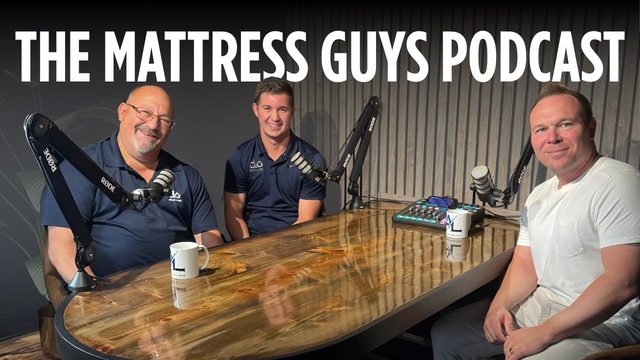
Buy the Right Mattress with The Mattress Guys
Father and son mattress pros Kevin and Nick on when to replace your mattress, why comfort is subjective, the $13,000 upsell at big stores, and a family business that started with Grandpa.
-
Mike Vollmin's Vision for a Wilmington Arena
Pro hockey player Mike Vollmin on growing up in Wilmington with no rink, playing in Switzerland, and launching the Wilmington Arena Project, a nonprofit plan for a 10,000 seat arena.
-
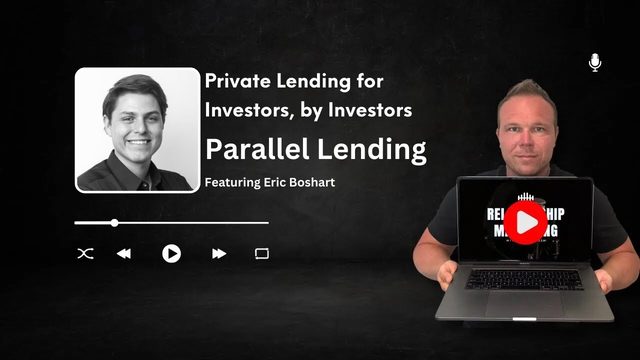
Real Estate Lending with Eric Boshart
Eric Boshart of Parallel Lending on going from film finance in Los Angeles to flipping homes in Texas with his brother, how a real estate credit fund works, and why lending is built on trust.
-
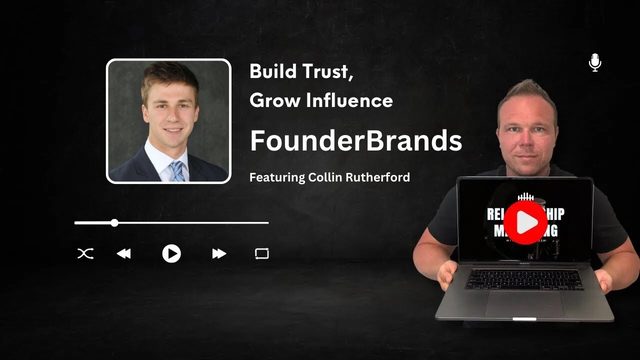
Growing on X with Collin Rutherford
Collin Rutherford of FounderBrands on going from 0 to 10,000 followers on X in 16 months, the reply guy strategy, how often to post and comment, and why his X network beats his Ivy League one.
More episodes are on my YouTube podcasts page and the Relationship Marketing playlist.
What these conversations taught me
- Know exactly who you serve. Even referrals can be your worst channel when your partners do not know who you help. Listen to Jason Pearl.
- Teach, do not pitch. Helpful content that answers real questions earns the trust that turns into signed clients. Listen to Matthew Khorsandi.
- Give the right people space to call you out. Your closest relationships are what keep you on track. Listen to Anthony Gaines.
- Delegate to people you trust. Start with the three tasks you hate most and let trust grow from there. Listen to Michelle Penczak.
- Show up in person. Clients trust the vendor who comes on site and tells them the truth. Listen to Albert Steed.
- Real fans beat big audiences. The influencers who believed in the product sold it. The ones who just posted did nothing. Listen to Scott Carr.
- Start online, finish offline. I met Nick on X before he ever came into the studio. Listen to The Mattress Guys.
- Give first to your community. A big vision gets built one handshake and one flyer at a time. Listen to Mike Vollmin.
- Support others first. Leave real comments on other people's posts and they will show up for yours. Listen to Collin Rutherford.
- Lead with trust. Even in lending, people want to work with people they know and can relate to. Listen to Eric Boshart.
Keep going
- Networking events in Wilmington, NC, where a lot of these relationships start.
- Help and support each other online, the simplest relationship marketing habit there is.
- Your personal brand is how you make money.
- The Brad Smith directory of brands and people I trust and recommend.
- Get one AI tip a week in the free AI Accelerator newsletter.
Common questions
What is relationship marketing?
Relationship marketing is building trust with people before, during, and after they buy, so they choose you, come back, and refer others. Instead of chasing one sale, you stay in front of people with helpful videos, emails, and reminders.
What is an example of relationship marketing?
Sending a helpful weekly email, answering common questions on video, and running small retargeting ads that educate instead of sell. On the podcast, guests like Jason Pearl show how referrals only work when your partners know exactly who you help.
What are the benefits of relationship marketing?
Better customer retention, more repeat business, more referrals, and a higher customer lifetime value, because customers who trust you stay longer and bring friends.
How is relationship marketing different from transactional marketing?
Transactional marketing is focused on the next sale. Relationship marketing is focused on the next ten years with that customer, which means follow-up, education, and showing up even when they are not ready to buy yet.
Where can I watch the Relationship Marketing Podcast?
Every episode is on Brad Smith's YouTube channel, and each one has its own post here with a written breakdown and the full transcript.
How do I suggest a guest for the podcast?
Tell Brad who he should interview next in the comments on any episode on YouTube, or email email@thebradsmith.com.
Follow Brad
- YouTubeEducational Coaching
- YouTubeBuilding a billion dollar AI brand
- X@bradsmith
- Instagram@bradsmithcoach
- LinkedInBrad Smith
- Emailemail@thebradsmith.com
Get the free weekly tips in AI Accelerator, or browse the directory.